Discover the Magic of Watercolor Art
Watercolor art has a unique charm that captivates both artists and art lovers alike. Its fluidity and transparency allow for a range of expressions that can evoke emotions and tell stories. Whether you are a seasoned artist or a beginner, exploring the world of watercolor can be a fulfilling journey. In this blog post, we will delve into the magic of watercolor art, covering its history, techniques, and tips for getting started.

The History of Watercolor Art
Watercolor painting has a rich history that dates back to ancient times. The earliest known use of watercolors can be traced to cave paintings, where natural pigments were mixed with water. However, it wasn't until the Renaissance that watercolor began to be recognized as a legitimate art form.
Early Beginnings
Cave Paintings: The use of natural pigments mixed with water can be seen in prehistoric cave paintings.
Renaissance: Artists like Albrecht Dürer and Leonardo da Vinci began experimenting with watercolors, using them for sketches and studies.
The Rise of Watercolor as an Art Form
By the 18th century, watercolor painting gained popularity in Europe. Artists such as J.M.W. Turner and John Constable used watercolors to capture landscapes and scenes from nature. This period marked the transition of watercolor from a mere sketching tool to a respected medium for finished works of art.
Modern Watercolor
Today, watercolor art is celebrated for its versatility and accessibility. With a wide range of materials available, artists can create stunning pieces that reflect their unique styles. From traditional landscapes to abstract compositions, the possibilities are endless.
Understanding Watercolor Techniques
Watercolor painting involves various techniques that can enhance your artwork. Here are some fundamental techniques to explore:
Wet-on-Wet
This technique involves applying wet paint onto wet paper. It allows colors to blend and flow into one another, creating soft edges and beautiful gradients. It's perfect for painting skies or backgrounds.
Wet-on-Dry
In this technique, wet paint is applied to dry paper. This method produces sharper edges and more defined shapes, making it ideal for detailed work.
Glazing
Glazing involves applying a transparent layer of paint over a dry layer. This technique can create depth and richness in color, allowing for complex effects.
Lifting
Lifting is the process of removing paint from the paper using a damp brush or sponge. This technique can be used to correct mistakes or create highlights.
Essential Materials for Watercolor Painting
To get started with watercolor art, you'll need some basic materials. Here’s a list of essential items:
Watercolor Paints: Available in tubes or pans, choose high-quality paints for vibrant results.
Watercolor Paper: Look for paper specifically designed for watercolors, as it can handle the water without warping.
Brushes: Invest in a variety of brushes, including round and flat shapes, to achieve different effects.
Palette: A mixing palette is essential for blending colors.
Water Container: Keep a container of clean water handy for rinsing brushes and diluting paint.
Tips for Beginners
Starting with watercolor can be daunting, but with practice and patience, you can develop your skills. Here are some tips to help you on your journey:
Start Simple
Begin with basic shapes and colors. Practice mixing colors and creating gradients before moving on to more complex subjects.
Embrace Mistakes
Watercolor is known for its unpredictability. Embrace the happy accidents that occur during the painting process. They can lead to unexpected and beautiful results.
Experiment with Techniques
Try out different techniques to see what resonates with you. Don’t be afraid to mix methods and create your own style.
Keep a Sketchbook
Maintain a sketchbook to practice regularly. This will help you build confidence and improve your skills over time.
Join a Community
Consider joining a local art group or online community. Sharing your work and receiving feedback can be incredibly motivating.
Exploring Different Styles of Watercolor Art
Watercolor art encompasses a variety of styles, each with its own unique characteristics. Here are a few popular styles to explore:
Realism
Realistic watercolor paintings aim to capture the subject as accurately as possible. This style often requires careful observation and attention to detail.
Abstract
Abstract watercolor art focuses on color, form, and emotion rather than realistic representation. This style allows for greater freedom and creativity.
Impressionism
Impressionist watercolor paintings capture the essence of a scene rather than its details. This style emphasizes light and color, often using loose brushwork.
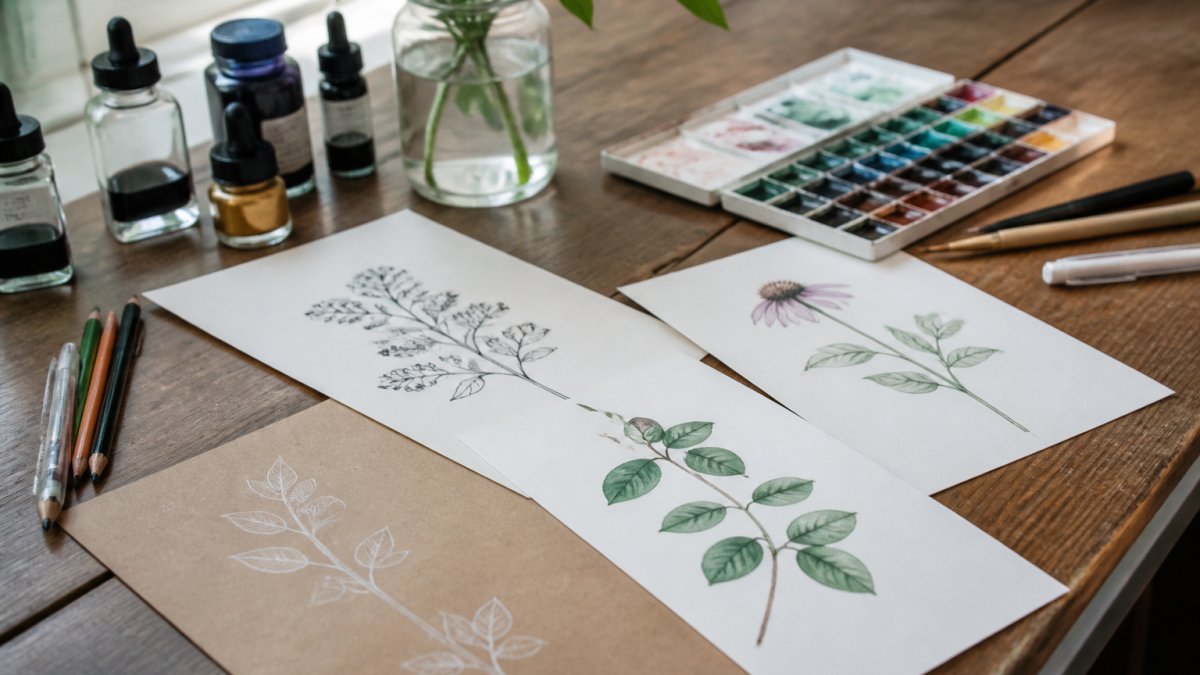
Botanical
Botanical watercolor art involves painting plants and flowers with precision. This style is popular among artists who enjoy nature and want to showcase its beauty.
The Therapeutic Benefits of Watercolor Painting
Engaging in watercolor art can offer numerous therapeutic benefits. Here are a few reasons why you might want to incorporate watercolor painting into your routine:
Stress Relief
Painting can be a meditative practice that helps reduce stress and anxiety. The act of creating can provide a sense of calm and relaxation.
Boosts Creativity
Watercolor painting encourages creative expression. It allows you to explore your imagination and develop your artistic voice.
Mindfulness
Focusing on the process of painting can promote mindfulness. Being present in the moment can enhance your overall well-being.
Conclusion
Watercolor art is a magical journey that invites exploration and creativity. Whether you are drawn to its historical roots or the therapeutic benefits it offers, there is something for everyone in this beautiful medium. So grab your brushes, experiment with colors, and let your imagination flow. The world of watercolor awaits you!
Comments