5 Tips for Creating Stunning Watercolor Paintings
Watercolor painting is a beautiful and expressive art form that allows artists to create stunning visuals with fluidity and grace. Whether you are a beginner or an experienced artist, mastering watercolor techniques can elevate your artwork to new heights. In this blog post, we will explore five essential tips that will help you create breathtaking watercolor paintings.

Understand Your Materials
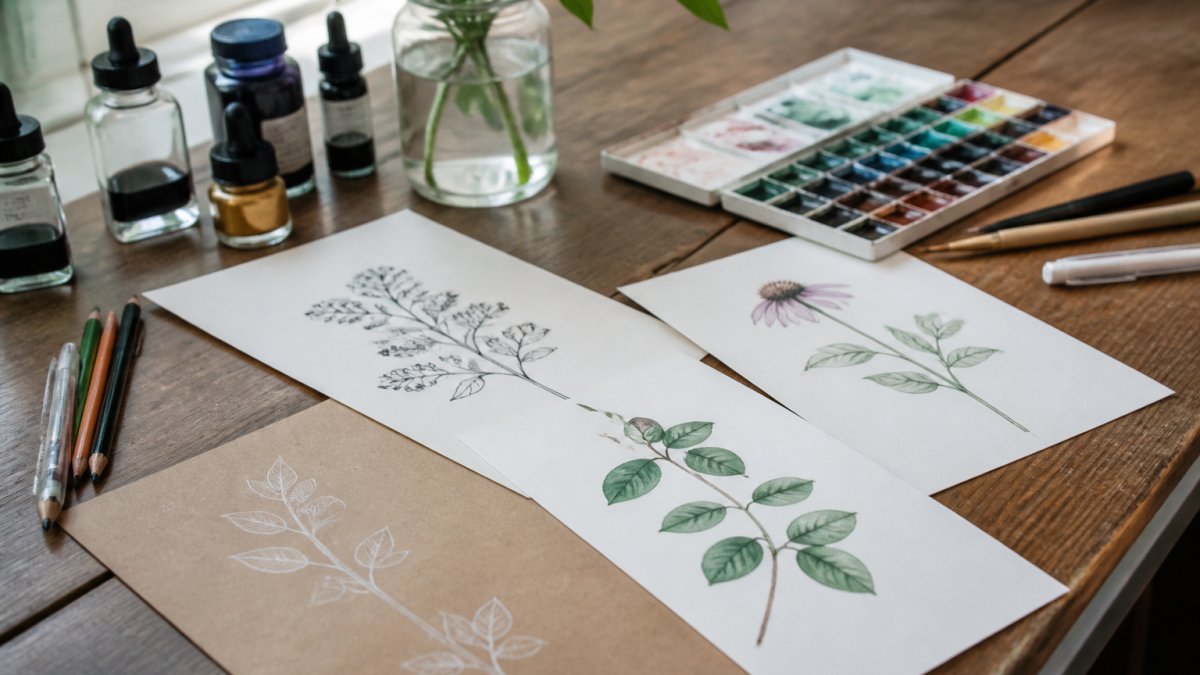
Before diving into painting, it's crucial to familiarize yourself with the materials you'll be using. Watercolor painting requires specific tools that can significantly impact your work. Here’s what you need to know:
Choose the Right Paper
The type of paper you use can make a huge difference in your watercolor results. Look for paper specifically designed for watercolor, which is typically thicker and more absorbent. Here are some options:
Cold-pressed paper: This has a textured surface, ideal for creating depth and texture in your paintings.
Hot-pressed paper: This is smooth and perfect for detailed work and fine lines.
Rough paper: This has a pronounced texture, great for expressive strokes and bold colors.
Select Quality Paints
Investing in high-quality watercolor paints can enhance your artwork. There are two main types of watercolor paints:
Tube paints: These are more concentrated and allow for mixing larger amounts of color.
Pan paints: These are convenient and portable, perfect for on-the-go painting.
Use the Right Brushes
Brushes come in various shapes and sizes, each serving a different purpose. Here are some common types:
Round brushes: Versatile and great for detail work.
Flat brushes: Ideal for washes and broad strokes.
Fan brushes: Useful for creating textures like foliage.
Master the Basics of Watercolor Techniques
Understanding fundamental watercolor techniques is essential for creating stunning paintings. Here are some techniques to practice:
Wet-on-Wet
This technique involves applying wet paint onto wet paper. It creates soft edges and allows colors to blend seamlessly. To try this:
Wet your paper with clean water using a brush.
Apply your watercolor paint while the paper is still wet.
Watch as the colors flow and merge beautifully.
Wet-on-Dry
In contrast to wet-on-wet, this technique involves applying wet paint onto dry paper. This method allows for more control and sharper edges. To practice:
Ensure your paper is completely dry.
Load your brush with paint and apply it directly to the paper.
Experiment with layering colors for depth.
Glazing
Glazing is a technique where you apply a transparent layer of paint over a dry layer. This adds richness and complexity to your artwork. Here’s how to do it:
Allow your first layer of paint to dry completely.
Choose a transparent color and apply it gently over the dried layer.
Observe how the colors interact and create new shades.
Experiment with Color Mixing
Color mixing is a vital skill in watercolor painting. Understanding how to blend colors can lead to stunning effects in your artwork. Here are some tips:
Use a Color Wheel
A color wheel can help you understand color relationships. Familiarize yourself with primary, secondary, and tertiary colors. This knowledge will guide you in creating harmonious color palettes.
Practice Mixing
Take time to experiment with mixing colors on your palette. Try combining different hues to see how they interact. Remember:
Complementary colors (colors opposite each other on the color wheel) can create striking contrasts.
Analogous colors (colors next to each other) can produce a more harmonious look.
Create a Color Chart
Creating a color chart can be a helpful reference. Paint swatches of each color you own, mixing them to see the results. This chart will serve as a guide for future projects.
Embrace the Power of Layering
Layering is a powerful technique in watercolor painting that can add depth and dimension to your work. Here’s how to effectively layer your paint:
Start Light
Begin with lighter colors and gradually build up to darker shades. This approach allows you to maintain control over the intensity of your colors.
Allow Drying Time
Patience is key when layering. Allow each layer to dry completely before adding the next. This prevents colors from muddying and helps maintain clarity in your artwork.
Experiment with Transparency
Watercolors are known for their transparency. Use this to your advantage by layering transparent washes to create depth. The underlying colors will show through, adding complexity to your painting.
Find Your Unique Style
As you practice and develop your skills, it’s essential to find your unique artistic voice. Here are some ways to explore and cultivate your style:
Study Other Artists
Look at the work of other watercolor artists for inspiration. Analyze their techniques, color choices, and compositions. This can help you identify what resonates with you.
Keep a Sketchbook
Regularly sketching and painting in a sketchbook allows you to experiment without the pressure of creating a finished piece. Use this space to try new techniques, colors, and styles.
Reflect on Your Work
Take time to reflect on your completed paintings. What do you love about them? What would you change? This self-reflection will guide your growth as an artist.
Conclusion
Creating stunning watercolor paintings is a journey that requires practice, patience, and a willingness to experiment. By understanding your materials, mastering essential techniques, experimenting with color, embracing layering, and finding your unique style, you can elevate your watercolor artwork to new heights. Remember, the beauty of watercolor lies in its unpredictability, so embrace the process and enjoy the journey of creating art. Happy painting!
Comments